Stroke Recovery
Regaining Strength and Independence After a Stroke
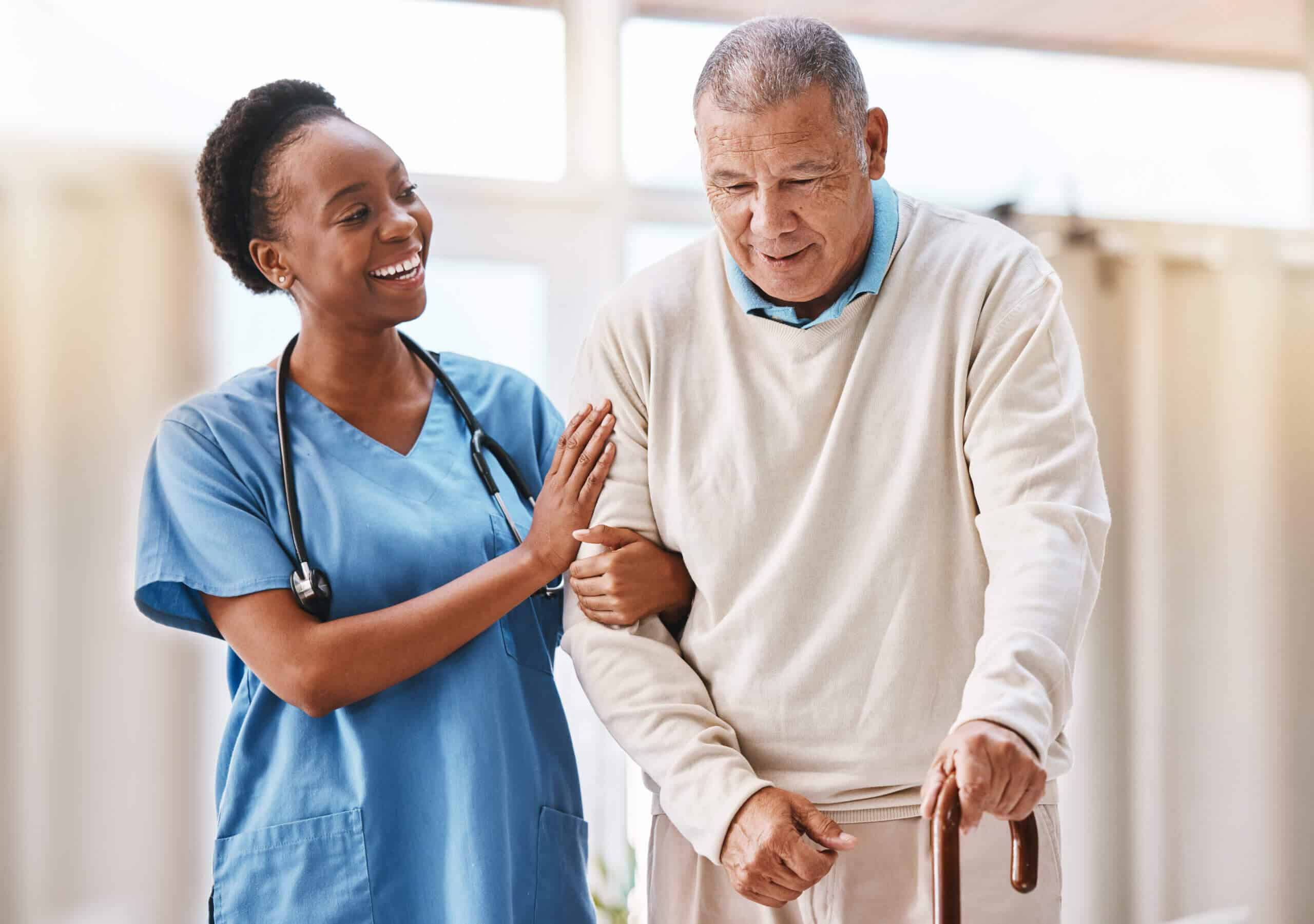
The aftermath of a stroke is overwhelming, even when your loved one has had a small one. If you are helping a family member through the stroke rehabilitation process, you are not alone. The team at Colonial Oaks Skilled Nursing & Rehabilitation is here to support you along the way.
We are a stroke rehabilitation facility built for both short-term and long-term stays. Learn more about stroke recovery and rehab, and find out whether these services are right for your loved one.
What to Know About Post-Stroke Recovery
Recovering from a stroke is not the same as getting over an illness or healing an injury. While the brain has a remarkable ability to reorganize itself, recovery can still be an uphill battle, and this gradual process looks different for everyone. Recovery generally begins a day or two after a stroke and can take months or years, with the first three to six months often the most crucial period.
Symptoms differ from patient to patient. Some survivors experience difficulty with movement, speech, swallowing, or cognitive function. Others struggle with emotional regulation or memory. A comprehensive rehabilitation program addresses these challenges with an individualized approach.
Short-Term and Long-Term Care Options
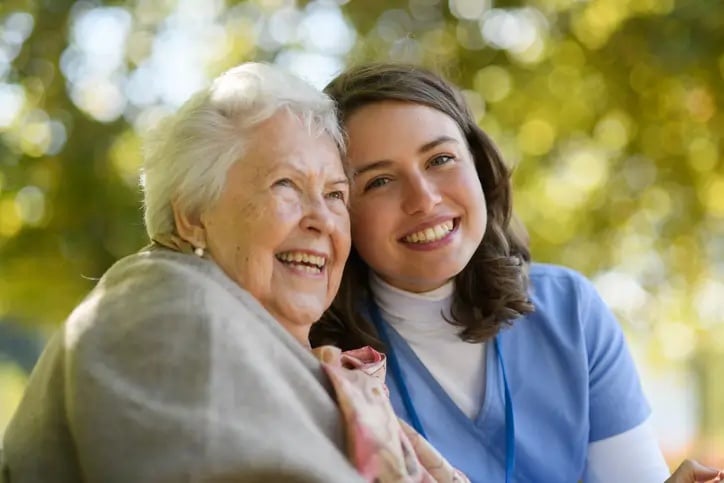
Some survivors complete their stroke rehabilitation program over a few months, while others need years to adjust to a new normal. No matter your loved one’s situation, Colonial Oaks Skilled Nursing & Rehabilitation is here to help. We offer two main rehabilitation paths.
Short-term care suits loved ones who are recovering quickly. Our team offers support after a long hospital stay and works with your loved one to streamline recovery, including guidance for a safe and smooth return home.
Long-term care fits residents who need continual support as they manage an ongoing recovery. These services are tailored to each individual, and we stay flexible as your loved one’s needs change.
Types of Stroke Rehabilitation Services
Rehabilitation for stroke recovery is not one size fits all. Patients benefit from access to several services that support recovery, and stroke survivors often combine these therapies.
- Physical therapy: focuses on regaining balance, movement, and coordination. Patients work with professionals to strengthen muscles and relearn basic motor skills.
- Occupational therapy: helps patients relearn daily living activities such as dressing, bathing, cooking, and writing, and addresses cognitive issues including memory, attention, and problem solving.
- Speech and language therapy: helps survivors who have communication or swallowing difficulties, improving speech clarity, language comprehension, reading, writing, and cognitive communication skills.
FAQs
Frequently Asked Questions About Stroke Recovery
What does stroke rehabilitation typically involve?
There is no single linear path to stroke recovery, but most rehabilitation plans share a few staples.
- A comprehensive evaluation of the patient’s abilities, challenges, and goals
- A rehabilitation team of physicians, therapists, social workers, and nurses
- Multiple treatment sessions each week, each focused on specific goals
- Regular progress updates and adjustments to the treatment plan
- Family education so loved ones can offer support outside of therapy
What symptoms can stroke rehabilitation help improve?
Stroke affects people differently. Rehabilitation can help with difficulty in movement, speech, swallowing, and cognitive function, as well as challenges with emotional regulation and memory. A personalized program targets the areas where each patient needs the most support.
Can families take part in stroke rehabilitation?
Yes. Family involvement is an important part of recovery. The care team offers education so loved ones understand the rehabilitation plan and can provide encouragement and support outside of therapy sessions, which helps reinforce progress at every stage.
Does Medicare cover stroke rehabilitation in a skilled nursing facility?
Medicare often covers stroke rehabilitation when certain conditions are met, such as a qualifying hospital stay and a physician order for skilled care. Our admissions team can review your eligibility and explain any potential costs before your stay begins.
Why Families Choose Us
Stroke recovery is a marathon, not a sprint, and Colonial Oaks Skilled Nursing & Rehabilitation is here to support you along the way. We are committed to a friendly, welcoming environment that feels just like home, where your loved one has consistent access to healthcare professionals and daily assistance at every level of independence. You do not have to face the aftermath of a stroke alone. Contact us today to request a personalized care consultation.
Come see for yourself
Our discharge rate is higher than the national average. And our beautiful, comfortable surroundings make guests feel right at home. Come see what makes Colonial Oaks Skilled Nursing & Rehabilitation so special.